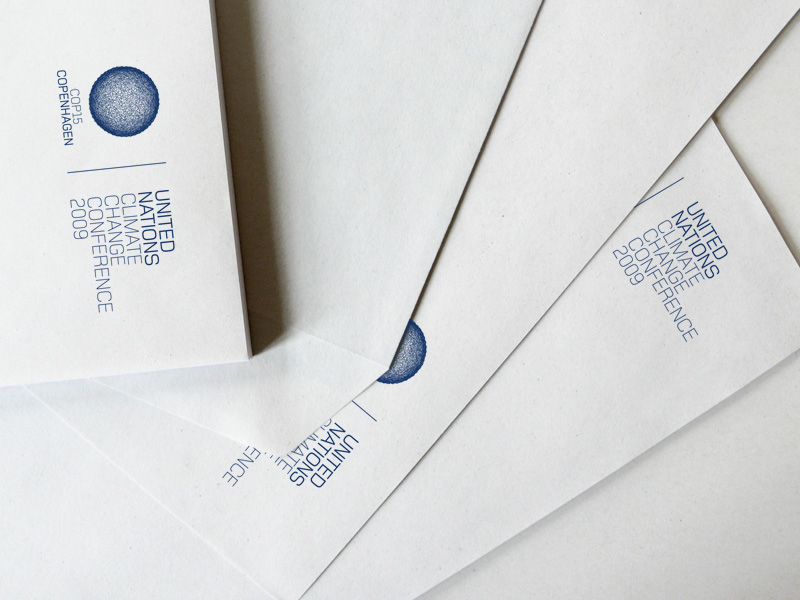
Eksperyment przeprowadzony przez Drew Europeo na foncie BD Unfold przy użyciu Scriptographera – wtyczki poszerzającej możliwości Illustratora o użycie Javy.


"We wondered why there is such a large divide between text-driven literary books on the one hand and picture-driven art and design books on the other. And we wondered why this divide seems so extreme, when most of us compute visuals in our everyday more than ever before. We believe this visual everydayness adds to the way we read, it adds to the way we experience what we read and the way we absorb and understand the way stories are told: through words and pictures."


The book “Traumgedanken” (“Thoughts on dreams”) contains a collection of literary, philosophical, psychological and scientifical texts which provide an insight into different dream theories.
To ease the access to the elusive topic, the book is designed as a model of a dream about dreaming. Analogue to a dream, where pieces of reality are assembled to build a story, it brings different text excerpts together. They are connected by threads which tie in with certain key words. The threads visualise the confusion and fragileness of dreams.
On five pages there are illustrations made out of thread. Their shape and colour relies on the key words on the opposite page. This way an abstract image of the dream about dreaming is generated.
In addition there are five pages where a significant excerpt from a text of the opposite page is stitched into the paper. It is not legible because the type’s actual surface is inside the folded page. This expresses the mysteriousness of dreams and the aspect of dream interpretation.


 Accompanying the book, the program is printed on thin paper creating transparancy in the layout.